
My current and ongoing projects fall into three primary and interconnected spheres of scholarship:
- (1) the development, dissemination, and commodification of criminal records;
- (2) the institutional and individual effects of criminal legal involvement and criminal records; and
- (3) the social and political engagement of people with criminal records.
Across these areas, my research is question-driven and methodologically diverse. I begin from substantive questions about how state policies and practices operate and are experienced in everyday life, then I use the methodological tools and forms of evidence that are best suited to answering them.

When someone runs a background check, how accurate is the record they actually see?
I study how criminal records are created, sold, interpreted, and corrected across public agencies, background-check companies, and data brokers. This work shows that private reports often contain substantial errors, leaving people uncertain about what employers, landlords, and others will find—a condition we call “epistemic uncertainty.” I’m also interested in why people may come to see widespread criminal-record disclosure as inevitable or legitimate, even when it harms them.
My current work turns to Clean Slate reforms, asking whether automatic record sealing actually works once criminal-history data have entered a decentralized, commercial data ecosystem.
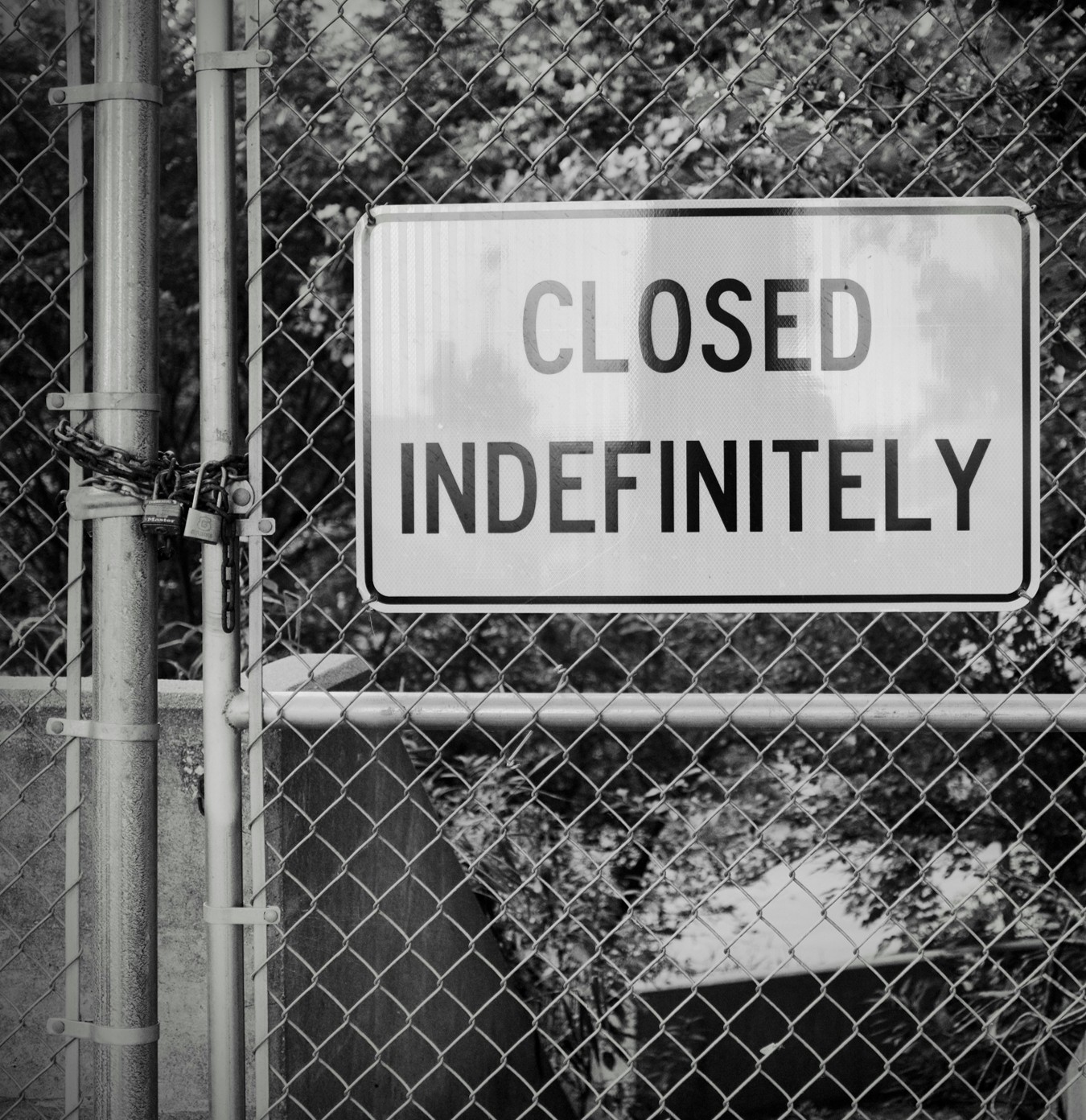
Criminal records can follow people long after a sentence ends, creating a kind of “piling on” across social life.
I’ve focused on higher education, where I study how records shape college access—not just through outright rejection (3x more likely when required to disclose a record), but through what I call “criminal record friction”: delays, extra requirements, and uncertainty that can quietly push applicants out of the process.
A second strand examines civic and political engagement. Working with The Sentencing Project, I’ve coauthored a few reports estimating state-level felony disenfranchisement in recent elections (4M in 2024). My newer research asks a broader question: how does having a felony record shape political identity, policy beliefs, and people’s sense of social and political belonging?

What does punishment actually do to people, communities, and institutions over time?
One line of this work examines how criminal legal debt, civil debt, probation, and incarceration can work together as “poverty traps,” producing cascading financial consequences and reinforcing racial inequality. I’m especially interested in punishment as people experience it—not as a single sentence, but as a package of costs, surveillance, uncertainty, and confinement.
A second line of this research focuses on settler colonial punishment and tribal sovereignty. This work shows how policing, jurisdictional complexity, and financial extraction continue to shape Native people’s encounters with the legal system while also constraining the economic and political power of Indigenous nations.